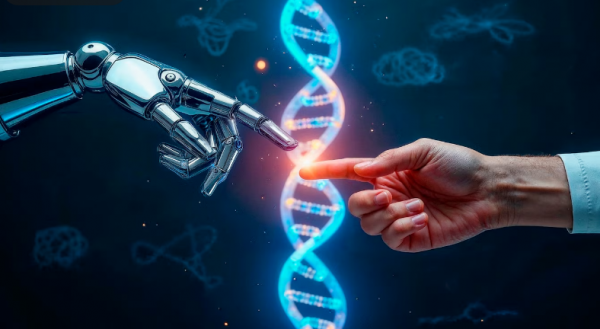
As businesses continue embracing automation, machine learning, and advanced AI systems, the importance of human emotional intelligence has become more critical than ever. While technologies powered by Data Science and Artificial Intelligence are driving AI Innovation, transforming industries, and accelerating technological progress, organizations are realizing that empathy, emotional awareness, and human connection remain irreplaceable in building trust, collaboration, and customer loyalty. In today’s rapidly evolving digital landscape, enterprises are balancing technological advancement with human-centric leadership as part of their broader Digital Transformation in Business journey. Companies seeking to combine intelligent technology with meaningful human experiences are increasingly partnering with STL Digital to build future-ready digital ecosystems that prioritize both innovation and emotional connection.
Understanding Emotional Intelligence in the Modern Workplace
Emotional intelligence, often referred to as EQ, is the ability to recognize, understand, manage, and respond effectively to emotions — both our own and those of others. Unlike artificial intelligence, which processes data and automates decisions based on patterns, emotional intelligence focuses on empathy, communication, relationship-building, and emotional awareness.
In the AI era, where automation is rapidly replacing repetitive tasks, uniquely human qualities such as compassion, adaptability, creativity, and emotional understanding are becoming more valuable. Organizations are increasingly recognizing that technology alone cannot build strong workplace cultures, inspire employees, or create meaningful customer relationships.
As enterprises invest heavily in Data Science and Artificial Intelligence, emotional intelligence is emerging as a key differentiator that helps businesses maintain authentic human interactions in highly digital environments.
The Human Side of Digital Transformation
Digital transformation is no longer only about implementing new technologies. It is about transforming how businesses operate, communicate, and connect with people. Successful Digital Transformation in Business requires organizations to balance technological efficiency with emotional understanding.
Employees often experience uncertainty, stress, and resistance during periods of technological change. Leaders with strong emotional intelligence can manage these transitions more effectively by understanding employee concerns, communicating transparently, and fostering trust across teams.
Organizations that fail to prioritize the human side of transformation often struggle with low employee engagement, poor collaboration, and customer dissatisfaction. Emotional intelligence helps businesses ensure that innovation enhances human experiences rather than replacing them entirely.
This is where modern Digital Advisory Services play an important role by helping organizations integrate technology while maintaining employee well-being, organizational culture, and customer-centric approaches.
Emotional Intelligence and Customer Experience
Even in an AI-driven world, customer experience remains deeply emotional. Consumers may interact with chatbots, automated systems, and AI-powered recommendation engines, but they still value empathy, personalization, and emotional understanding from brands.
According to Forrester’s 2025 Global Customer Experience Index rankings, customer experience quality continues to face significant challenges worldwide. The report found that 21% of brands experienced declines in customer experience performance, only 6% improved, and 73% remained unchanged, highlighting the growing gap between the customer experiences organizations aim to deliver and what consumers actually experience. Factors such as weaker employee experiences, declining customer obsession, ineffective technology implementations, and economic uncertainty continue to shape customer perceptions. These findings emphasize that organizations cannot rely solely on technology and efficiency; creating meaningful, emotionally engaging experiences remains essential for building customer loyalty and long-term relationships.
AI may help organizations analyze customer behavior and predict preferences, but emotional intelligence enables businesses to respond in ways that feel authentic and human.
Leadership in the AI Era
Leadership styles are evolving as organizations adopt advanced technologies. Modern leaders are no longer expected to simply manage operations — they must also inspire teams, support employees, and navigate complex emotional dynamics during times of change.
Emotionally intelligent leaders are better equipped to:
• Build trust within teams
• Resolve workplace conflicts
• Encourage collaboration
• Support employee mental well-being
• Improve communication
• Foster innovation and creativity
As automation takes over technical and repetitive tasks, leadership qualities rooted in empathy and emotional awareness are becoming essential for organizational success.
According to Gartner highlights the growing challenges organizations face when adopting AI-driven systems. Gartner predicts that by 2027, 40% of enterprises will demote or decommission autonomous AI agents due to governance failures identified only after production incidents occur. The research suggests that organizations often struggle because they apply the same governance approach across all AI systems without considering different autonomy levels and trust boundaries. These findings reinforce the importance of leadership that can balance technology adoption with thoughtful decision-making, trust-building, and human-centered strategies.
This growing demand for emotionally intelligent leadership reflects how businesses are redefining success in the age of AI, where empathy, trust, and meaningful experiences are becoming just as important as technology and operational efficiency.
AI Can Analyze Emotions — But Not Truly Understand Them
Modern AI systems are increasingly capable of analyzing emotional patterns through facial recognition, voice analysis, sentiment detection, and behavioral data. However, despite rapid AI Innovation, these technologies still lack genuine emotional understanding.
AI can detect emotional signals, but it cannot fully comprehend human experiences, personal struggles, cultural nuances, or emotional complexities the way humans can. Machines operate based on algorithms and data models, while emotional intelligence requires lived experience, empathy, intuition, and ethical judgment.
For example, a chatbot may recognize frustration in a customer’s message, but a skilled human representative can provide reassurance, empathy, and emotional support in ways that feel natural and comforting.
This distinction is why businesses adopting Digital Transformation in Business strategies must avoid over-automating human interactions that require emotional sensitivity.
Emotional Intelligence in Team Collaboration
As remote and hybrid work environments become more common, emotional intelligence is playing a larger role in maintaining strong workplace relationships. Virtual communication often reduces non-verbal cues, making misunderstandings and emotional disconnects more likely.
Teams with high emotional intelligence communicate more effectively, collaborate better, and adapt faster to changing work environments. Employees who feel understood and emotionally supported are also more engaged, productive, and motivated.
Organizations investing in Digital Advisory Services are increasingly focusing not only on technological infrastructure but also on employee experience, workplace culture, and leadership development.
The future workplace will require a balance between digital efficiency and emotional connection to maintain long-term organizational health.
Creativity, Innovation, and Human Connection
Innovation is not driven by technology alone — it is fueled by human creativity, curiosity, and collaboration. Emotional intelligence encourages open communication, psychological safety, and diverse perspectives, all of which contribute to AI Innovation.
Employees are more likely to share ideas, take creative risks, and collaborate effectively when they feel emotionally safe within their organizations. Emotionally intelligent leaders create environments where innovation can thrive.
Even as Data Science and Artificial Intelligence technologies generate insights and automate processes, human creativity remains essential for strategic thinking, storytelling, relationship-building, and visionary leadership.
Businesses that combine advanced AI capabilities with emotionally intelligent cultures are likely to outperform competitors in adaptability and innovation.
Ethical Decision-Making in AI Adoption
As AI systems become more influential in decision-making, ethical concerns surrounding bias, privacy, transparency, and fairness continue to grow. Emotional intelligence helps leaders approach these challenges with empathy and responsibility.
Organizations must consider how AI impacts employees, customers, and society as a whole. Decisions based purely on efficiency or profit can damage trust if they ignore emotional and social consequences.
Emotionally intelligent leadership ensures that technology adoption aligns with human values and ethical standards. This approach is becoming increasingly important as enterprises expand their AI-driven operations and accelerate Digital Transformation in Business initiatives.
The Future of Human Skills in an AI-Driven World
The rise of AI is not eliminating the need for human skills — it is increasing their importance. As machines handle technical tasks more efficiently, qualities such as empathy, communication, adaptability, emotional awareness, and collaboration will define successful organizations and professionals.
The future workforce will need both technical expertise and emotional intelligence to thrive in increasingly digital environments. Businesses that invest equally in technology and people will be better positioned to navigate future challenges and opportunities.
Emotional intelligence will continue serving as the bridge between advanced automation and authentic human connection.
Conclusion
While AI is reshaping industries and transforming business operations at an unprecedented pace, emotional intelligence remains one of the most valuable human strengths in the digital age. Technology can automate processes, analyze data, and improve efficiency, but it cannot replace empathy, trust, creativity, and emotional understanding. As organizations continue investing in Data Science and Artificial Intelligence and advancing their Digital Transformation in Business strategies, maintaining a strong human-centered approach will be critical for sustainable success. Businesses looking to create balanced, future-ready digital ecosystems can rely on STL Digital for innovative solutions that combine advanced technology with meaningful human experiences.