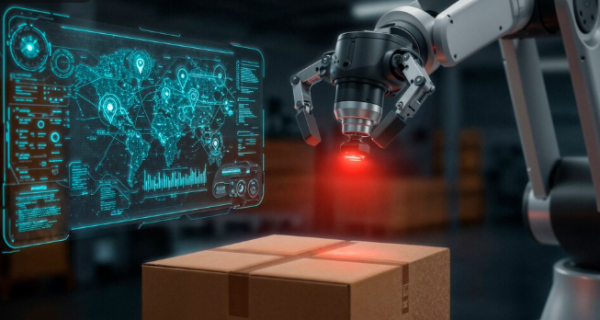
Artificial Intelligence has rapidly evolved from a supportive technology into a strategic driver of enterprise innovation. In the early stages of adoption, many organizations used AI primarily to enhance existing processes. This approach, often referred to as AI-augmented operations, focused on improving efficiency by adding AI capabilities to traditional systems.
Today, however, enterprises are moving toward a new operational model: AI-first operations. In this model, AI is not simply an add-on but a foundational element in how organizations design workflows, analyze data, and automate decision-making. This transformation is redefining how companies approach analytics, automation, and strategic planning.
For organizations investing in Data Analytics Consulting, modern Enterprise Applications, and large-scale digital transformation in business, the shift from AI-augmented systems to AI-first operations represents a significant competitive advantage. Technology partners like STL Digital help enterprises accelerate this transition by integrating advanced AI capabilities into enterprise systems and analytics platforms.
Understanding the Shift: AI-Augmented vs AI-First
AI-augmented operations refer to the integration of artificial intelligence tools into existing systems to improve performance. For example, businesses might use AI for predictive analytics, chatbots for customer support, or automation tools for repetitive tasks.
While these improvements are valuable, they still rely heavily on traditional processes and decision-making frameworks.
AI-first operations, on the other hand, take a fundamentally different approach. Instead of asking how AI can enhance current workflows, organizations ask a new question: How should workflows be designed if AI is central to every decision and process?
This mindset shift transforms how enterprises approach analytics, automation, and digital infrastructure.
The shift toward AI-first operations is accelerating as organizations seek faster decision-making, scalable automation, and stronger data-driven insights.
According to Gartner, by 2028, 50% of enterprise cybersecurity incident response efforts will focus on issues involving AI-driven applications. This highlights how deeply AI is becoming embedded in core business and security operations.
As AI adoption grows, enterprises are not just using AI for efficiency—they are restructuring their strategies to manage the risks and complexities that come with it. AI-first organizations prioritize artificial intelligence in decision-making, system design, and risk management from the start.
Rather than deploying isolated AI tools, these organizations integrate AI across their entire technology ecosystem, including security frameworks. This ensures better visibility, faster response to incidents, and stronger governance over both custom-built and third-party AI applications.
This transformation is especially critical for enterprises relying on Enterprise Applications and large-scale data environments, where AI introduces both powerful opportunities and new security challenges.
How AI Is Transforming Enterprise Analytics
Analytics has always played a crucial role in business decision-making. However, traditional analytics processes often involve manual data preparation, static dashboards, and delayed reporting cycles.
AI-first enterprises are changing this model through advanced analytics capabilities such as:
- Real-time data analysis
- Predictive forecasting
- Automated data insights
- Natural language analytics interfaces
- AI-driven decision support systems
These capabilities allow organizations to move from reactive analytics to proactive and predictive intelligence.
Companies that invest in Data Analytics Consulting are increasingly leveraging AI to create intelligent analytics systems that automatically detect patterns, identify risks, and recommend actions.
Automation at a New Scale
Automation has long been a key objective for enterprise technology teams. However, traditional automation systems were typically rule-based and limited in scope.
AI-first operations expand automation capabilities dramatically.
Modern AI-powered automation can handle tasks such as:
- Intelligent document processing
- Customer interaction automation
- Supply chain optimization
- Fraud detection and risk analysis
- Predictive maintenance in manufacturing
These systems continuously learn from data and improve over time, enabling enterprises to automate increasingly complex processes.
As part of digital transformation in business, companies are redesigning operational workflows to incorporate AI-driven automation at every stage.
The Role of Data in Enabling AI-First Operations
The transition to AI-first operations is fueled by the rapid growth of enterprise data. Organizations today generate vast amounts of structured and unstructured data from digital platforms, connected devices, and operational systems. This data forms the backbone of modern analytics and AI systems, enabling businesses to uncover insights, automate processes, and improve decision-making. According to Statista, India has emerged as a rapidly growing analytics hub. The analytics market has expanded significantly, with around 24% of its growth attributed to big data technologies. The data also highlights that nearly 60% of India’s analytics revenue comes from exports to the United States, while domestic revenue contributes only a small share. This reflects India’s strong position in the global analytics and data services ecosystem.
This rapid growth is driving increased demand for Data Analytics Consulting services, as organizations look to transform raw data into actionable insights and gain a competitive edge.
AI-First Operations in Action
Across industries, enterprises are already implementing AI-first strategies to improve efficiency and competitiveness.
1. Financial Services
Banks and financial institutions are using AI-first systems for fraud detection, credit risk analysis, and automated financial advisory services. AI models analyze massive datasets to identify suspicious transactions and predict financial risks.
2. Retail and E-commerce
Retail companies are deploying AI-driven analytics to personalize customer experiences, optimize pricing strategies, and forecast demand.
These systems rely heavily on modern Enterprise Applications that integrate AI with inventory management, customer relationship management (CRM), and supply chain platforms.
3. Manufacturing
Manufacturers are implementing AI-first automation systems that monitor equipment performance and predict failures before they occur. This reduces downtime and improves operational efficiency.
4. Healthcare
Healthcare organizations are using AI-powered analytics to analyze patient data, assist with medical diagnosis, and optimize hospital operations.
Across all these sectors, the common thread is the integration of AI with enterprise data and operational systems.
Building the Infrastructure for AI-First Operations
Transitioning to AI-first operations requires more than simply adopting new technologies. It demands a comprehensive transformation of enterprise infrastructure.
Key components of AI-first architecture include:
- Cloud-based data platforms
- Advanced analytics systems
- AI model management frameworks
- Integrated enterprise data pipelines
- Automated workflow orchestration tools
Organizations implementing digital transformation in business must also focus on data governance, security, and AI ethics to ensure responsible AI adoption.
These elements form the backbone of scalable AI-driven operations.
The Human Factor in AI-First Transformation
While AI plays a central role in AI-first operations, human expertise remains essential.
Employees must develop new skills in areas such as:
- Data interpretation
- AI model monitoring
- Strategic decision-making
- Ethical AI oversight
Companies that successfully adopt AI-first strategies often invest heavily in workforce training and AI literacy programs.
By empowering employees to work alongside intelligent systems, enterprises can unlock greater productivity and innovation.
Challenges in Moving to AI-First Operations
Despite its advantages, transitioning to AI-first operations is not without challenges.
Common barriers include:
- Data silos across departments
- Integration complexity with legacy systems
- Shortage of skilled AI professionals
- Concerns around data security and compliance
Organizations must address these issues through strategic planning, robust data governance frameworks, and collaboration between technology and business teams.
This is where specialized expertise in Data Analytics Consulting and enterprise digital transformation becomes crucial.
The Role of Technology Partners
Implementing AI-first operations requires a combination of data expertise, advanced analytics capabilities, and enterprise technology integration.
Technology partners play a key role in helping organizations navigate this transformation.
Companies like STL Digital support enterprises in building intelligent digital ecosystems by combining analytics, automation, and AI-driven enterprise platforms.
By leveraging advanced Enterprise Applications and deep expertise in digital transformation in business, organizations can implement scalable AI architectures that deliver measurable business value.
Conclusion
The evolution from AI-augmented systems to AI-first operations marks a significant milestone in enterprise technology transformation. Instead of treating AI as a supplementary tool, organizations are now embedding it at the core of analytics, automation, and decision-making processes.
This shift is enabling enterprises to unlock faster insights, automate complex workflows, and create data-driven strategies that drive competitive advantage. With the rapid growth of analytics markets and increasing AI adoption across industries, companies that invest in Data Analytics Consulting, modern Enterprise Applications, and large-scale digital transformation in business will be best positioned to thrive in the AI-first era.
As enterprises continue to embrace AI-first thinking, the future of business operations will be defined by intelligent systems that continuously learn, adapt, and optimize outcomes across the organization. Organizations looking to accelerate this transformation can leverage the expertise of STL Digital to build scalable AI-driven solutions and modern enterprise technology ecosystems.