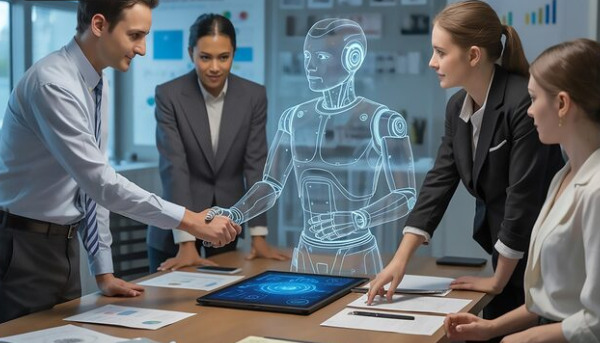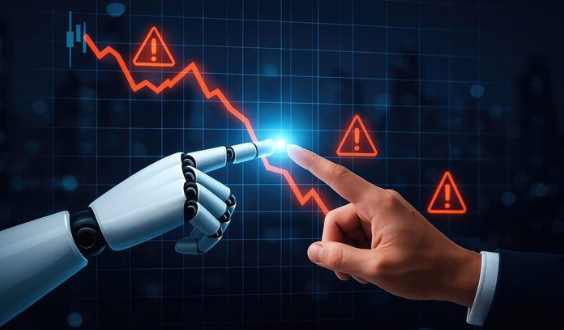
The global energy landscape is undergoing a monumental shift. As climate change intensifies and regulatory pressures mount, the transition from fossil fuels to sustainable alternatives has evolved from a corporate social responsibility initiative into a core business imperative. However, shifting to a green grid is not as simple as flipping a switch. Renewable energy sources like solar and wind are inherently variable, decentralized, and structurally different from traditional, centralized fossil-fuel baseloads.
To bridge this gap, organizations must cultivate a profound sense of operational agility. Embracing a comprehensive digital transformation strategy allows organizations to fundamentally restructure their operations, making them responsive enough to handle the volatile nature of green power. Navigating this complex shifting landscape requires more than just modern software; it demands strategic foresight. At STL Digital, we help enterprises align their operational frameworks with modern infrastructure, ensuring that sustainability goals are met without compromising organizational stability or profitability.
The Modern Clean Energy Paradox
The mandate for a clean energy transition is clear, yet the execution remains incredibly complex. Unlike coal or natural gas, which can be burned on demand to meet fluctuating grid requirements, renewable generation depends heavily on weather conditions. This creates a dual challenge for enterprises: they must manage supply-side intermittency while simultaneously adapting to a rapidly evolving workflow.
Furthermore, legacy infrastructure was designed for a predictable, unidirectional flow of electricity. Today’s grid must accommodate decentralized production, bidirectional energy flows, and distributed energy resources such as corporate solar arrays and localized battery storage systems.
This structural hurdle is colliding directly with a massive shift in how computing itself functions. Recent IT research from Gartner highlights an enterprise shift away from standalone AI experimentation toward “Agentic AI ecosystems”—autonomous systems that can interact, negotiate, and execute multi-step processes. Gartner projects that by 2028, at least 15% of daily work decisions will be made autonomously by agentic AI networks. Because these agents operate independently, organizations face unique infrastructure demands and must deploy “digital immune systems” using automated code repair to mitigate vulnerabilities.
Without institutional agility, companies risk facing high operational costs, grid instability, and missed sustainability targets. To mitigate these risks, modern enterprises are looking beyond hardware adjustments, focusing instead on deep organizational and technological overhauls to build long-term resilience.
Why Agility and Enterprise Adaptability Matter
In an era defined by volatility, predictability is a luxury of the past. Adaptability within an enterprise refers to its capacity to internalize external disruptions—whether they are fluctuating weather patterns, sudden geopolitical shifts affecting supply chains, or new carbon taxation policies—and pivot its operations seamlessly.
For heavy industries, manufacturing, and large-scale utilities, adaptability translates directly into financial survival. When a cloud cover abruptly reduces solar output or a calm day stalls wind turbines, agile enterprises do not suffer from sudden downtime. Instead, they rely on automated, intelligent systems that dynamically reroute power, draw from stored reserves, or temporarily throttle non-essential processes. This level of responsiveness cannot be achieved through manual oversight; it requires a digital transformation strategy that embeds real-time data analysis and automated decision-making into the very fabric of corporate operations.
Driving Grid Flexibility with Advanced Technology
At the heart of an adaptable energy enterprise is a sophisticated matrix of modern technologies. By converging the physical and digital worlds, companies can gain unprecedented visibility into their energy consumption and production patterns.
- Artificial Intelligence and Machine Learning: Predictive analytics play an essential role in mitigating the unpredictability of clean power. By processing massive datasets—including historical weather patterns, real-time atmospheric data, and historical grid loads—machine learning models can forecast renewable energy generation with remarkable accuracy. This allows grid operators and enterprise energy managers to anticipate deficits hours in advance and adjust their procurement strategies accordingly.
- IoT and Edge Computing: The proliferation of smart meters, industrial sensors, and connected IoT devices provides a granular look at energy ecosystems. Edge computing allows this data to be processed locally and instantaneously, enabling automatic micro-adjustments to wind turbine blade angles or solar panel tracking systems to optimize efficiency based on immediate environmental feedback.
- Smart Grids and Virtual Power Plants: A Virtual Power Plant aggregates various decentralized energy resources—such as rooftop solar panels, wind farms, and battery storage units—into a cohesive, single network. Through advanced software orchestration, this decentralized network can mimic the reliability of a traditional power plant, distributing power efficiently to where it is needed most.
Overcoming Structural, Cultural, and Operational Roadblocks
Technology alone cannot solve the transition puzzle; organizations must also confront internal human barriers. Many enterprises remain shackled by legacy systems that operate in isolated silos, preventing the seamless flow of data across departments. A production unit might have no real-time visibility into the energy procurement team’s data, leading to costly spikes in consumption during peak pricing hours.
Moreover, extreme cultural resistance poses a significant hurdle. Teams accustomed to traditional, highly predictable operational workflows often hesitate to trust automated, algorithmic decision-making.
This exact tension is captured in Deloitte’s 2026 Global Human Capital Trends report, which warns that organizations are hitting a massive “change exhaustion” wall. According to Deloitte:
- The Pace of Disruption: A staggering one-third of surveyed workers experienced 15 major organizational changes in the last year alone, severely impacting well-being and engagement.
- The AI Culture Debt: While 60% of executives are actively pulling AI into executive decision-making, only 5% believe they are managing it well.
Overcoming these roadblocks requires structured guidance. Engaging expert digital advisory services can help organizations assess their cultural readiness, break down internal silos, and design change management frameworks that foster an enterprise-wide culture of agility and continuous innovation.
Modernizing Enterprise Infrastructure
Attempting to modernize an enterprise infrastructure without a cohesive roadmap often results in fragmented, expensive pilot projects that fail to scale. Organizations need a holistic blueprint that addresses technology, people, and processes concurrently.
This is where specialized IT consulting becomes invaluable. Expert consultants help enterprises evaluate their current digital maturity, identify critical gaps in their data architecture, and map out a scalable deployment timeline. Furthermore, utilizing targeted digital technology services ensures that new software layers integrate flawlessly with existing legacy hardware, preventing costly operational disruptions during the deployment phase.
Deloitte’s strategic takeaways provide a direct playbook for infrastructure modernization:
- The Scaling Value Gap: While 63% of leading enterprises actively deploy digital transformation initiatives at scale, companies attempting limited or isolated pilot projects see drastically lower returns.
- The Legacy Integration Barrier: Organizations face several critical obstacles when scaling digital and AI investments: data quality or availability issues lead at 72%, followed by talent and leadership gaps in AI fluency at 53%, legacy system integration at 48%, and pilot-stage scaling challenges at 48%.
With the right architecture in place, companies can move away from reactive troubleshooting and transition into a state of proactive, data-driven optimization that drives actual growth.
Conclusion
The transition to clean energy is far more than an environmental box-checking exercise; it is a foundational reimagining of how modern businesses generate, consume, and manage power. As the energy ecosystem becomes increasingly decentralized and variable, the enterprises that survive and thrive will be those that have institutionalized adaptability. Successfully navigating this paradigm shift requires a deliberate, end-to-end digital transformation strategy that harmonizes cutting-edge technology with organizational workflows. For organizations looking to accelerate this journey, partnering with STL Digital offers the precise roadmap, technical execution, and strategic foresight needed to transform volatile energy variables into predictable business growth. By modernizing core architectures today, forward-thinking enterprises are doing more than just reducing their carbon footprint; they are future-proofing their operations for the complex economy of tomorrow.