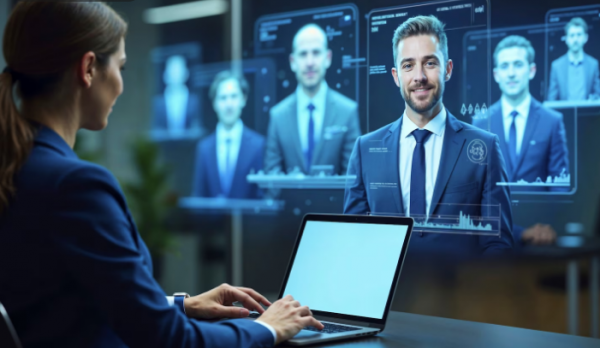
Hybrid work has changed more than where employees work. It has changed how they access applications, collaborate with colleagues, communicate with teams, and complete everyday tasks. As work increasingly depends on digital tools, even a small technology issue can affect productivity and employee satisfaction. For organizations, this makes understanding the overall digital experience increasingly important.
This is where digital employee experience monitoring becomes important. Instead of waiting for employees to report slow applications, connectivity issues, repeated errors, or access problems, organizations can use experience data to identify issues, understand their impact, and respond proactively. STL Digital recognizes this shift as enterprises move toward technology environments where employee experience and business performance are closely connected.
The Growing Need to Monitor Employee Digital Experiences
Hybrid employees often work across multiple locations, devices, networks, cloud platforms, and business applications. This creates a workplace that is more distributed and technically complex than the traditional office environment. According to ISG’s, hybrid and distributed work have become permanent operating models, making digital systems the primary environment in which employees work. The research also notes that organizations are increasingly using continuous telemetry, experience analytics, and AI-driven diagnostics to identify potential disruptions before they affect employees.
This changes the role of monitoring. It is no longer simply about checking whether an application or device is functioning. Organizations need to understand how technology is affecting the employee’s ability to work. For example, an employee may technically have access to an enterprise application, but if the application takes too long to load, repeatedly disconnects, or creates unnecessary steps, the employee experience can still suffer.
Digital employee experience monitoring helps bring these issues into view.
- Identify Technology Issues Before They Become Productivity Problems
In a hybrid workplace, IT teams cannot always rely on employees raising tickets whenever something goes wrong. Employees may work around smaller problems, restart applications, switch networks, or simply accept poor performance as part of their daily routine. Over time, these small disruptions can become significant productivity losses. Monitoring can provide visibility into application performance, device health, network conditions, login issues, and other technology-related friction. This allows IT teams to identify patterns rather than responding only to individual complaints.
Organizations are increasingly looking for platforms that can prevent disruptions, reduce incident volumes, and provide predictable performance across employees, devices, and locations. The objective is therefore not simply to collect more data. It is to turn that data into actionable insight.
- Improve the Employee Experience Across a Distributed Workforce
Employee experience is influenced by much more than workplace culture or HR initiatives. The technology employees use every day also shapes how easily they can complete their work. A slow collaboration platform, unreliable VPN, poorly performing business application, or repeated authentication problem can create frustration. When these issues occur repeatedly, they can influence how employees perceive the organization’s technology environment.
Deloitte India’s 2026 People Analytics Maturity research provides broader evidence of the growing focus on employee experience. Based on insights from more than 85 organizations in India, the study found that 81% of organizations are investing in employee experience, career development, and well-being initiatives. At the same time, more than 70% continue to rely on static reporting approaches.
This gap is important. Organizations may recognize the importance of employee experience, but traditional reporting may not provide the timely insight required to improve it. Monitoring digital experiences can complement broader employee experience initiatives by providing continuous visibility into the technology side of work.
- Move From Reactive IT Support to Proactive IT Operations
Traditional IT support often begins after an employee experiences a problem. A ticket is raised, the issue is investigated, and a resolution is provided. Digital employee experience monitoring can help change this model. By continuously analyzing experience data, IT teams can detect unusual patterns and investigate potential causes before the issue becomes widespread. Artificial Intelligence enabled diagnostics can further help identify recurring problems and support automated or guided remediation.
This movement toward proactive management, highlighting AI-enabled diagnostics, automated remediation, and self-healing capabilities as part of the evolving digital workplace. This approach can also allow skilled IT professionals to spend less time resolving repetitive incidents and more time working on transformation initiatives.
- Support a More Agile Digital Transformation Strategy
Hybrid work is not a standalone workplace policy. It is part of a broader shift in how organizations design technology, processes, and employee workflows.
Deloitte’s 2026 Global Human Capital Trends research found that 85% of leaders consider building the organization’s and workforce’s ability to adapt at today’s required speed critical. Yet only 7% said they are leading in helping their workforce continuously grow and adapt. Technology experience can be an important part of this adaptability.
When employees encounter persistent digital friction, adopting new tools or processes can become more difficult. Monitoring can help organizations understand whether technology is supporting or obstructing new ways of working. This makes employee experience data relevant to technology planning. It can help organizations identify which applications create friction, where users experience recurring problems, and which areas may require modernization.
- Create Better Visibility Across Enterprise Applications
Hybrid employees rarely depend on a single application. A typical workday can involve collaboration tools, HR platforms, productivity applications, cloud services, security systems, and business-specific software. The challenge is that these systems may be managed by different teams and operate across different environments. Monitoring can provide a broader view of how these Enterprise Applications perform from the employee’s perspective.
This is particularly valuable when an issue is not immediately attributable to one system. For example, an employee may experience slow performance because of a combination of application response time, network conditions, device performance, or authentication processes. A holistic view can help IT teams investigate the complete experience rather than examining each component in isolation.
- Use Data to Make Better Technology Decisions
Digital employee experience monitoring can also contribute to technology investment decisions. Instead of relying entirely on assumptions or isolated support tickets, organizations can examine experience data to understand recurring patterns. This can help inform decisions about application upgrades, device refreshes, network improvements, automation, and workplace technology.
For technology leaders, this reinforces an important principle: collecting data is only the beginning. The value comes from converting data into insights that can support decisions.
What Organizations Should Monitor
An effective digital employee experience monitoring approach can bring together multiple signals rather than focusing on one metric.
Organizations can monitor areas such as:
* Application performance and availability
* Device health and performance
* Network connectivity
* Login and authentication issues
* Collaboration and communication tools
* Service desk incidents
* Recurring employee technology issues
* Experience trends across locations and user groups
* Impact of technology changes on employee workflows
The exact metrics will depend on the organization’s technology environment and business priorities. The goal should be to identify meaningful patterns that can improve both employee experience and operational performance.
Building a More Proactive Hybrid Workplace
The future of hybrid work will depend not only on providing employees with digital tools but also on ensuring those tools work effectively together. Recent industry research highlights the need for organizations and workforces to adapt more continuously while positioning digital employee experience as a strategic business capability. Findings similarly show increasing investment in employee experience alongside a continued reliance on static reporting. For enterprises, this creates an opportunity to move beyond reactive support and build a more proactive technology environment.
Digital employee experience monitoring is ultimately not just an IT monitoring exercise. It is a way to understand how technology influences everyday work and use those insights to create a more effective hybrid workplace STL Digital helps organizations navigate this evolving landscape through IT Solutions and Services designed around modern enterprise needs. By combining technology, data, AI, and digital expertise, organizations can work toward digital workplaces that are more responsive, connected, and employee-centric.