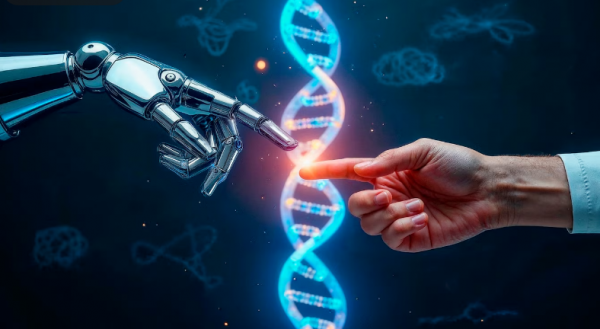
Artificial intelligence is redefining how organizations attract, assess, and hire talent in today’s fast-evolving digital landscape. As competition for skilled professionals intensifies, businesses are increasingly adopting AI-powered recruitment to streamline hiring, improve decision-making, and deliver a more personalized candidate experience.
Organizations looking to accelerate AI application in business while modernizing their hiring processes can leverage the expertise of STL Digital, a trusted provider of Generative AI, Data Analytics and AI Services, and Enterprise Applications. With deep expertise in enterprise AI solutions and digital transformation, it helps businesses to build intelligent recruitment strategies that improve hiring efficiency, enhance candidate experiences, and support long-term workforce growth.
Why Talent Acquisition Is Evolving
The hiring landscape has changed dramatically over the past few years. Organizations are no longer recruiting only for technical skills—they are also seeking adaptability, digital literacy, problem-solving abilities, and AI expertise.
Traditional hiring methods often involve lengthy screening processes, manual resume reviews, and inconsistent candidate evaluations. As recruitment volumes continue to increase, these approaches struggle to keep pace with business demands.
Artificial intelligence is helping organizations overcome these challenges by automating repetitive tasks, improving decision-making, and enabling recruiters to focus on building stronger relationships with candidates.
How AI Is Transforming Hiring in 2026
AI has evolved far beyond simple resume filtering. Modern recruitment platforms use intelligent algorithms to support nearly every stage of the hiring process.
Some of the most impactful applications include:
AI-Powered Resume Screening
AI can analyze thousands of resumes within minutes, identifying candidates whose qualifications, experience, and skills closely match job requirements.
This significantly reduces the time recruiters spend reviewing applications while improving consistency in candidate selection.
Intelligent Candidate Matching
Machine learning algorithms evaluate historical hiring data, skills, certifications, and experience to recommend candidates who are likely to succeed in specific roles.
This improves hiring accuracy while reducing unconscious bias.
Automated Interview Scheduling
AI assistants coordinate calendars, schedule interviews, send reminders, and manage candidate communications automatically, reducing administrative workloads for HR teams.
Predictive Hiring Analytics
AI analyzes recruitment data to forecast hiring trends, identify skill shortages, and estimate future workforce requirements.
Organizations using Data Analytics and AI Services gain deeper insights that support better workforce planning and long-term talent strategies.
The Growing Role of Generative AI in Recruitment
One of the biggest trends shaping talent acquisition is the rapid adoption of Generative AI.
Generative AI helps recruiters by:
- Writing job descriptions.
- Creating personalized candidate communications.
- Generating interview questions.
- Summarizing candidate profiles.
- Supporting onboarding documentation.
- Assisting with employer branding content.
Rather than replacing recruiters, Generative AI enables HR professionals to spend more time on strategic decision-making and candidate engagement.
AI Improves the Candidate Experience
Today’s job seekers expect faster communication, personalized interactions, and transparent hiring processes.
AI-powered recruitment platforms improve candidate experiences through:
- Instant chatbot support.
- Faster application reviews.
- Personalized job recommendations.
- Automated status updates.
- More consistent interview scheduling.
Positive candidate experiences strengthen employer branding and improve talent attraction.
Gartner Highlights the Rising Demand for AI Skills
According to Gartner, demand for supply chain roles requiring AI skills has increased by 387% between the first quarter of 2023 and the first quarter of 2026, significantly outpacing overall labor market growth. Gartner’s analysis of more than 35 million job postings, including nearly 600,000 supply chain roles, highlights the growing competition for AI talent and the widening skills gap organizations face.
These findings demonstrate why businesses must rethink traditional recruitment strategies. Organizations that successfully integrate AI application in business into their hiring processes will be better positioned to identify, attract, and retain highly skilled professionals.
Building an AI-Driven Recruitment Strategy
To maximize the value of AI, organizations should develop a structured hiring strategy that combines technology with human expertise.
Key priorities include:
Define Clear Hiring Objectives
AI initiatives should align with business goals, whether reducing time-to-hire, improving candidate quality, or enhancing diversity.
Invest in High-Quality Recruitment Data
Accurate recruitment data enables AI models to deliver better recommendations and improve hiring outcomes.
Integrate AI with Enterprise Applications
Connecting recruitment platforms with existing Enterprise Applications, HR systems, and workforce management solutions creates a seamless hiring experience while improving operational efficiency.
Best Practices for Implementing AI in Talent Acquisition
Successfully adopting AI in recruitment requires more than introducing new technology. Organizations should establish clear processes, governance frameworks, and human oversight to ensure AI supports fair, efficient, and transparent hiring decisions.
1. Maintain Human Oversight
AI can automate repetitive recruitment tasks, but final hiring decisions should continue to involve experienced recruiters and hiring managers. Human judgment remains essential for evaluating cultural fit, leadership potential, and interpersonal skills.
2. Monitor AI for Fairness
Organizations should regularly review AI models to identify and reduce bias in candidate screening, interview recommendations, and hiring decisions. Continuous monitoring helps ensure recruitment practices remain fair and inclusive.
3. Strengthen Data Quality
The effectiveness of AI depends on the quality of recruitment data. Businesses should maintain accurate candidate information, standardized job descriptions, and reliable workforce data to improve AI performance.
4. Integrate Recruitment Platforms
Connecting AI recruitment tools with existing Enterprise Applications enables seamless data sharing across HR, payroll, onboarding, and workforce management systems. This creates a more efficient hiring process while reducing manual work.
Challenges of AI-Powered Hiring
Although AI offers significant advantages, organizations must address several challenges to maximize its value.
Data Privacy and Security
Recruitment platforms process sensitive candidate information. Businesses must comply with applicable privacy regulations and implement strong cybersecurity measures to protect personal data.
Ethical Considerations
AI systems should be transparent and explainable. Organizations need clear governance policies to ensure hiring decisions remain accountable and free from unintended discrimination.
Skill Gaps
Recruiters and HR teams need training to use AI tools effectively. Upskilling employees ensures technology complements human expertise rather than replacing it.
Change Management
Successful AI adoption requires organizational support, clear communication, and well-defined implementation strategies to encourage acceptance among recruiters, hiring managers, and candidates.
India’s Growing AI Talent Strength
The global demand for AI professionals continues to grow, and India is emerging as one of the world’s strongest AI talent hubs.
According to Statista, citing LinkedIn data referenced in Stanford University’s 2026 AI Index report, India recorded the world’s second-fastest AI talent growth between 2019 and 2025, with a 120% increase among LinkedIn members. The report also notes that India ranked first globally in AI skill penetration on LinkedIn, highlighting the country’s rapidly expanding AI workforce and its growing role in the global AI ecosystem.
These insights demonstrate why organizations are increasingly investing in AI-powered recruitment technologies to identify, engage, and retain highly skilled professionals in an increasingly competitive talent market.
Future Trends in AI-Powered Hiring
As AI technologies continue to advance, talent acquisition will become even more intelligent and personalized.
Some emerging trends include:
- Greater use of Generative AI for personalized candidate engagement.
- Predictive workforce planning using advanced analytics.
- AI-powered internal talent marketplaces.
- Skills-based hiring supported by intelligent assessments.
- Continuous learning recommendations for employees.
- AI-driven onboarding and workforce development.
Organizations that embrace these innovations will improve recruitment efficiency while creating more engaging experiences for both candidates and employees.
Why AI and Human Expertise Must Work Together
Artificial intelligence excels at processing large amounts of information quickly, but successful hiring still depends on human judgment, empathy, and strategic thinking.
The most effective talent acquisition strategies integrate Generative AI, Data Analytics and AI Services with the expertise of experienced HR professionals to create a balanced hiring process that improves efficiency without compromising candidate experience or organizational culture.
Conclusion
The future of talent acquisition is being shaped by artificial intelligence, automation, and data-driven decision-making. Organizations that successfully adopt AI application in business, leverage Generative AI, integrate Enterprise Applications, and utilize advanced Data Analytics and AI Services will be better positioned to attract top talent, improve hiring efficiency, and build resilient workforces for the future. As hiring becomes increasingly competitive, embracing AI-driven innovation is essential to building agile and future-ready recruitment strategies. STL Digital enables organizations to accelerate AI-powered recruitment through enterprise-grade AI solutions, intelligent automation, and digital transformation expertise. With innovative technologies and a customer-focused approach, it empowers businesses to build smarter, faster, and more effective talent acquisition strategies for 2026 and beyond.